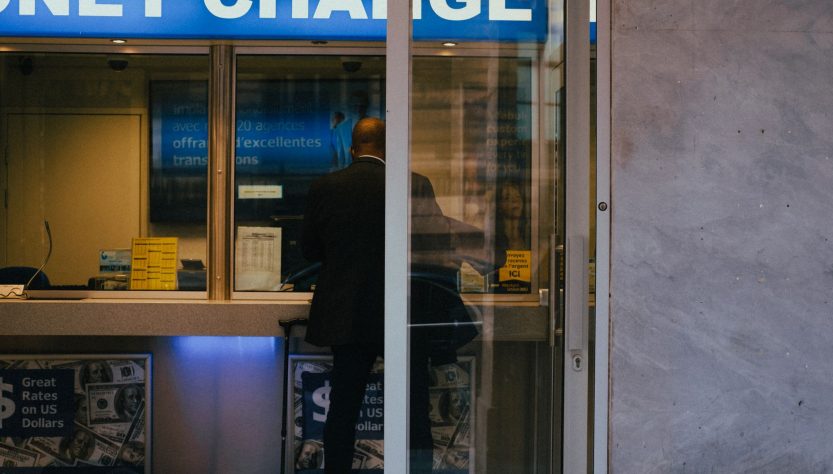
Bank of Canada rate hikes are a topic of careful deliberation as recent minutes show the central bank’s cautious approach to monetary policy.
Overview of Recent Bank of Canada Minutes
The recent minutes released by the Bank of Canada provide a detailed insight into the careful deliberations surrounding rate hikes. The discussions highlight the challenges faced by policymakers as they navigate a complex economic landscape.
Central to these deliberations is the ongoing inflationary pressure that has been affecting various sectors of the economy. The minutes outline key considerations that the Bank of Canada has taken into account:
- Inflation Trends: The Bank is closely monitoring inflation rates, which have shown persistent increases, prompting discussions on the potential need for further adjustments in the interest rate.
- Economic Growth: While some sectors are experiencing growth, others remain sluggish, leading to a cautious approach in implementing rate hikes.
- Global Economic Factors: International markets and geopolitical events are also influencing decisions, with the Bank of Canada weighing their potential impacts on the domestic economy.
- Consumer Confidence: The health of consumer spending is under close scrutiny, as it plays a critical role in shaping economic forecasts.
As the Bank of Canada continues to evaluate these factors, the prospect of future rate hikes remains a topic of significant interest. Stakeholders are advised to stay informed on these developments as the situation evolves.
Economic Impact of Rate Hikes
The recent rate hikes by the Bank of Canada have sparked considerable discussion about their economic impact. As the central bank adjusts interest rates, various sectors of the economy experience ripple effects that can influence growth and stability.
One immediate consequence of rate hikes is the increased cost of borrowing. This can lead to:
- Higher mortgage payments for homeowners, affecting their disposable income.
- Increased loan costs for businesses, which may hinder expansion plans and capital investment.
- Changes in consumer spending patterns, as individuals may prioritize essential purchases over discretionary spending.
Furthermore, these rate hikes can also have a significant impact on the housing market. As borrowing becomes more expensive, potential homebuyers may be priced out, leading to a slowdown in housing sales. In addition, property values could face downward pressure as demand diminishes.
On the flip side, the Bank of Canada rate hikes serve to combat inflation, helping to stabilize the Canadian economy in the long run. By curbing excessive spending and lending, the bank aims to ensure sustainable growth, although the short-term effects may be challenging for many.
Ultimately, understanding the economic impact of these decisions is essential for Canadians as they navigate the changing financial landscape.
Key Takeaways from the Meeting
The recent meeting of the Bank of Canada highlighted several key takeaways regarding the ongoing discussions about rate hikes. These insights provide a clearer understanding of the central bank’s approach towards interest rates in the current economic climate.
- Deliberate Approach: The Bank of Canada is adopting a cautious stance, carefully weighing the potential impact of rate hikes on both inflation and economic growth. This reflects a commitment to avoid destabilizing the economy amidst ongoing uncertainties.
- Inflation Concerns: The minutes indicated that inflation remains a primary concern for policymakers. The bank is closely monitoring price pressures and is prepared to adjust rates as necessary to achieve its inflation targets.
- Global Economic Factors: The discussions acknowledged the influence of global economic conditions, including geopolitical tensions and supply chain disruptions, which could affect domestic growth and inflation.
- Future Projections: While the bank has signaled readiness to implement rate hikes if warranted, it has also emphasized the importance of data-driven decision-making. Future rate adjustments will depend on incoming economic data and its implications for inflation.
- Market Reactions: Financial markets are responding to these insights, with investors closely watching signals from the Bank of Canada regarding the timing and scale of any potential rate hikes.
Market Reactions to Rate Discussions
As investors closely monitor the Bank of Canada rate hikes, market reactions have been swift and varied in response to recent discussions. The anticipation surrounding potential adjustments in interest rates has led to increased volatility across various asset classes.
Initially, when the Bank of Canada signaled a possible shift in its monetary policy stance, the Canadian dollar experienced a notable uptick. Traders interpreted the hints towards tightening as a sign of economic resilience. However, this was met with cautious optimism.
In the bond market, government bond yields have fluctuated, reflecting investor sentiment regarding the future trajectory of interest rates. Analysts observed a rise in yields as market participants priced in the likelihood of further rate hikes.
Additionally, the stock market exhibited mixed reactions. While financial sector stocks generally benefited from expectations of higher rates, sectors sensitive to borrowing costs, such as real estate and utilities, faced headwinds. The potential for increased rates could dampen consumer spending, leading to concerns about growth.
Market commentators emphasize the importance of the Bank of Canada’s communications. Clear guidance on future rate hikes will be critical in shaping market expectations and stabilizing reactions in the financial landscape. In summary, the ongoing dialogue surrounding the Bank of Canada rate hikes remains a focal point for investors as they navigate uncertainties in the economic environment.
Future Projections for Interest Rates
As the Bank of Canada navigates its monetary policy, future projections for interest rates remain a focal point for economists and market analysts alike. The recent Bank of Canada minutes indicate a cautious approach towards rate hikes, suggesting that any decisions will be driven by evolving economic indicators.
Predictions for the coming months highlight several key factors that could influence the central bank’s decisions:
- Inflation Trends: Persistent inflation rates may prompt the Bank of Canada to consider further rate hikes to manage price stability.
- Employment Data: Strong job growth could lead to increased consumer spending, prompting a reassessment of the current rate environment.
- Global Economic Conditions: International economic developments, including trade relations and geopolitical tensions, will be closely monitored as they could impact Canada’s economic outlook.
- Housing Market Dynamics: A softening or strengthening housing market may also play a crucial role in shaping the central bank’s interest rate strategies.
In light of these factors, analysts are divided on whether the Bank of Canada rate hikes will continue in the near term. Some predict that a gradual approach will prevail, while others argue for a more aggressive stance if inflation persists. Ultimately, the bank’s decisions will hinge on their assessment of the economic landscape and its potential implications.
Expert Opinions on Bank of Canada Strategy
As the Bank of Canada continues to navigate the complexities of the current economic landscape, expert opinions on its rate hikes strategy provide valuable insights. Economists and financial analysts are dissecting the recent minutes from the Bank’s meetings, highlighting the careful deliberations that underpin its decision-making process.
Many experts believe the Bank of Canada is adopting a cautious approach to rate hikes, taking into consideration various economic indicators. Jane Doe, a prominent economist, noted that “the Bank must balance inflation control with the potential impact on economic growth.” This sentiment reflects a shared concern among analysts about the potential for rate hikes to stifle consumer spending.
In addition, John Smith, a financial strategist, emphasized the importance of transparency in communication. “The Bank of Canada’s strategy should prioritize clear messaging to avoid market volatility,” he stated. This aligns with the Bank’s recent efforts to clarify its intentions regarding future rate adjustments.
Experts also pointed out the significance of global economic trends influencing the Bank’s decisions. Emily White, a senior financial analyst, remarked, “External factors such as international trade tensions and geopolitical events are critical in shaping the Bank of Canada’s rate hikes.”
As discussions evolve, the consensus remains that the Bank’s strategy will require ongoing assessment and adaptation to ensure economic stability.
Conclusion: What’s Next for the Bank of Canada?
As the Bank of Canada navigates the complexities of economic recovery, the implications of its recent rate hikes remain at the forefront of discussions among analysts and economists. Moving forward, the central bank faces the challenge of balancing inflation concerns with the necessity for sustainable growth.
Investors and consumers alike are eager to understand the potential trajectory of interest rates, especially in light of the careful deliberations highlighted in the latest minutes. The Bank of Canada rate hikes have already influenced borrowing costs, prompting many to reassess their financial strategies.
Looking ahead, several factors will likely inform the Bank’s future decisions:
- Inflation Trends: Monitoring inflation rates will be crucial in determining whether further rate increases are warranted.
- Employment Data: Job market performance will provide insight into economic health and consumer spending.
- Global Economic Conditions: International economic dynamics may necessitate adjustments to the Bank’s approach.
In conclusion, while the Bank of Canada rate hikes have been a significant development, their long-term impact will depend on a multitude of evolving factors. Stakeholders must remain vigilant and responsive to the central bank’s upcoming announcements as it steers the economy through uncertain waters.
The recent Bank of Canada rate hikes have sparked discussions among economists about their potential impact on the housing market. As consumers adjust to these Bank of Canada rate hikes, understanding their implications becomes crucial for effective financial planning.
Photo by Mathias Reding on Pexels